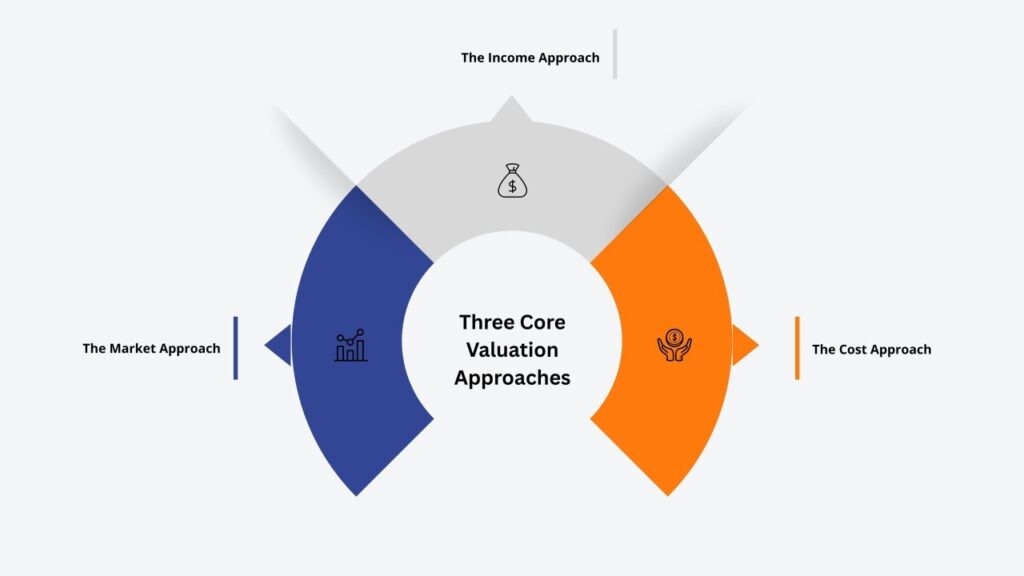
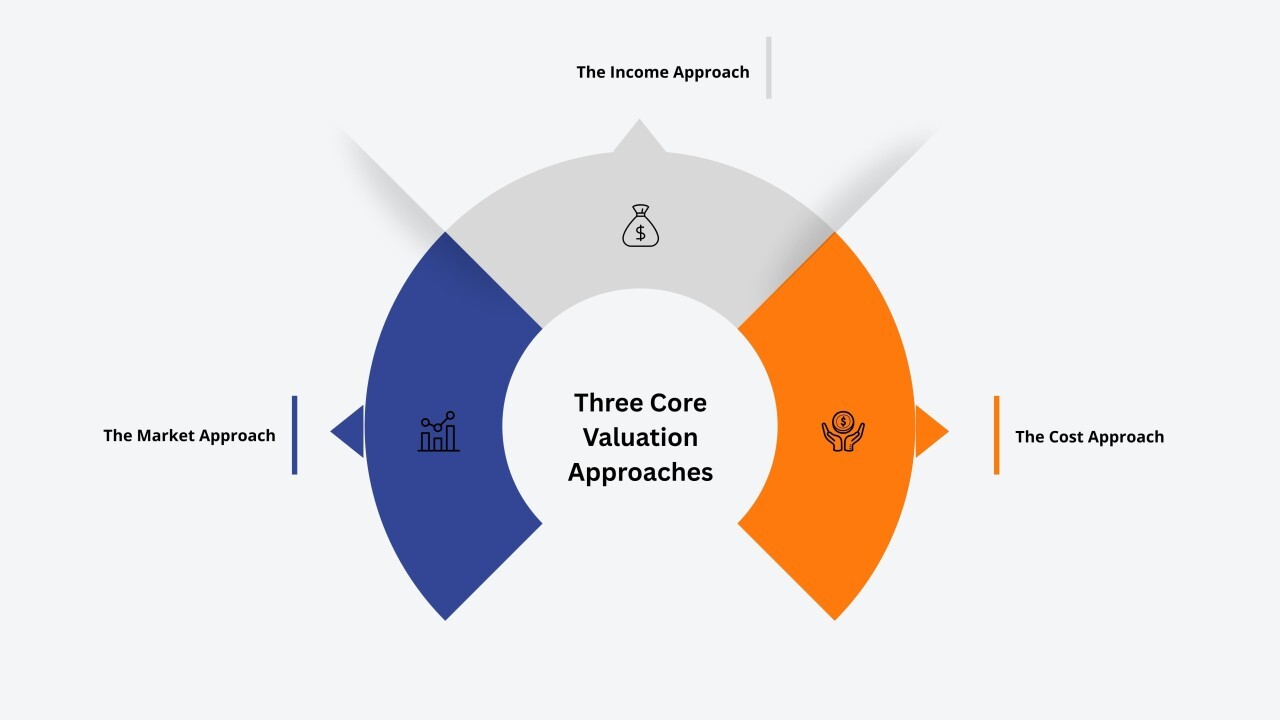
In real estate valuation, arriving at a reliable opinion of value requires more than a single method. International best practice recognises three core approaches: the Market Approach, Income Approach, and Cost Approach. Each is grounded in a different economic principle, and the appropriate method depends on the nature of the asset, available data, and purpose of the valuation.
1. The Market Approach
The market approach determines value by analysing recent transactions of comparable properties. It is based on the principle that a purchaser will compare similar assets and make decisions accordingly.
Valuers assess comparable evidence and apply adjustments for differences such as location, size, specification, condition, and timing of sale. The strength of this approach lies in its direct reflection of real market behaviour.
However, its reliability depends on the availability of sufficient, recent, and relevant transactional data. In markets with limited transparency or low transaction volumes, this approach may require careful judgement.
2. The Income Approach
The income approach is used for properties that generate, or are capable of generating, income streams. It focuses on the relationship between income and value, reflecting how investors assess real estate assets.
Under this approach, value is derived by analysing the income potential of the property, taking into account rental income, operating costs, and market-derived yields or discount rates. Methods within this approach include capitalisation of income and discounted cash flow analysis.
This approach requires careful consideration of factors such as lease terms, tenant quality, market rent levels, and risk. It is particularly relevant where the value of an asset is closely linked to its investment performance.
3. The Cost Approach
The cost approach is based on the principle that a buyer would not pay more for a property than the cost of creating an equivalent asset.
It involves estimating the cost of constructing the building, including associated expenses such as professional fees, and then deducting depreciation to reflect the asset’s current condition. The value of the underlying land is then added to arrive at an overall figure.
This approach is particularly useful where there is limited market or income evidence, or where properties are specialised and not frequently traded.
Applying the Approaches in Practice
In professional valuation practice, these approaches are not used in isolation. Valuers consider all relevant methods and apply those most appropriate to the asset and purpose of the valuation.
The final opinion of value is reached through reconciliation, where the outputs of different approaches are analysed, weighted, and aligned with market evidence.
Final Insight
A robust valuation is not about selecting a single method, but about applying the right approach in the right context. Understanding these three approaches provides clarity on how value is formed and ensures more informed decision-making for investors, lenders, and property owners.