Windmills offers accurate valuations for industrial assets such as plant and machinery, as well as speciality equipment. We employ market-based approaches where comparable data is available and use depreciated replacement cost when assets are unique or rarely traded.
Windmills undertakes industrial assets property valuation professionally. Let us explain below how we do it and what the important process steps are that we look after professionally.
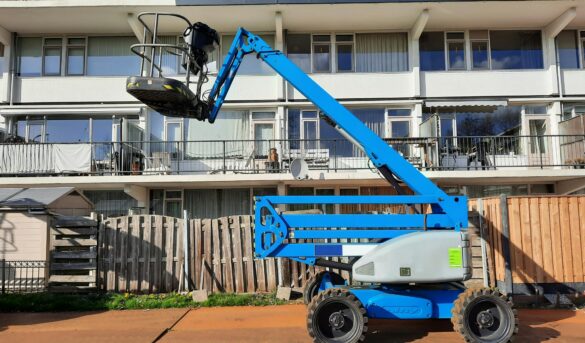
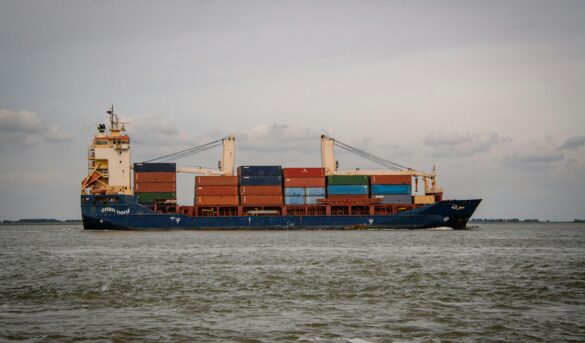
Some examples of types of industrial assets property in general are plant, machinery, and equipment. The machinery may belong to any factory or industry. Specific examples of equipment are cranes, cars, ships, and airplanes. To arrive at their market value, we prefer to apply the market approach of valuation. However, a good number of machinery and equipment items may be unique, and their secondary market may not be available. In that case, the depreciated replacement cost valuation approach is applied.
Each property being valued is unique. It has several standard or unique attributes that must be considered while valuing the property. These factors may include its location, size, age, condition/defects, view, positioning, upgrades, extensions, and other such attributes. We apply all the relevant adjustments to the above standard and unique attributes of the subject property scientifically.
The process of industrial asset valuation by depreciated replacement cost involves various professional and sensitive steps, which are described pictorially at the end below. Using the depreciated replacement cost approach of valuation, we research and determine from the market the current market price of the subject asset, adjust downward for depreciation based on its consumption so far if applicable, adjust upward or downward for its state of maintenance if applicable, adjust for the features and functionalities of the new machine versus the one being valued if applicable, and derive its market value.
Please read further explanation of valuation concepts under the valuation page. Please refer to the RICS Red Book for learning more about the international valuation standards and the Emirates Book of Valuation Standards for learning more about the local valuation standards.
Valuation Process
Understanding Subject Property: Studying subject property documents, obtaining missing/unclear information
Checking Conflict of Interest: Deciding on it as per international and local valuation standards.
Inspecting Subject Property: Checking, verifying and noting all attributes of the property physically
Using Effective Comparable: Using transactions, listings and recent valuation data streams and identifying the most relevant comparable.
Identifying Attribute Differences: Sensitizing and comparing all important attributes of the property with those of the subject property.
Making Financial Adjustments: For the differences in the attributes of the subject property vs the market comparable transactions.
Windmills Group specializes in trading property valuation for all types of commercial assets, land, offices, retail, hospitality, and mixed-use buildings. We provide reliable, market-based valuations and actionable insights to support investment, trading, and strategic decision-making.