Property Valuation in a Green Economy: Do Energy Ratings and Sustainability Add Real Value in the UAE?
July 8, 2025
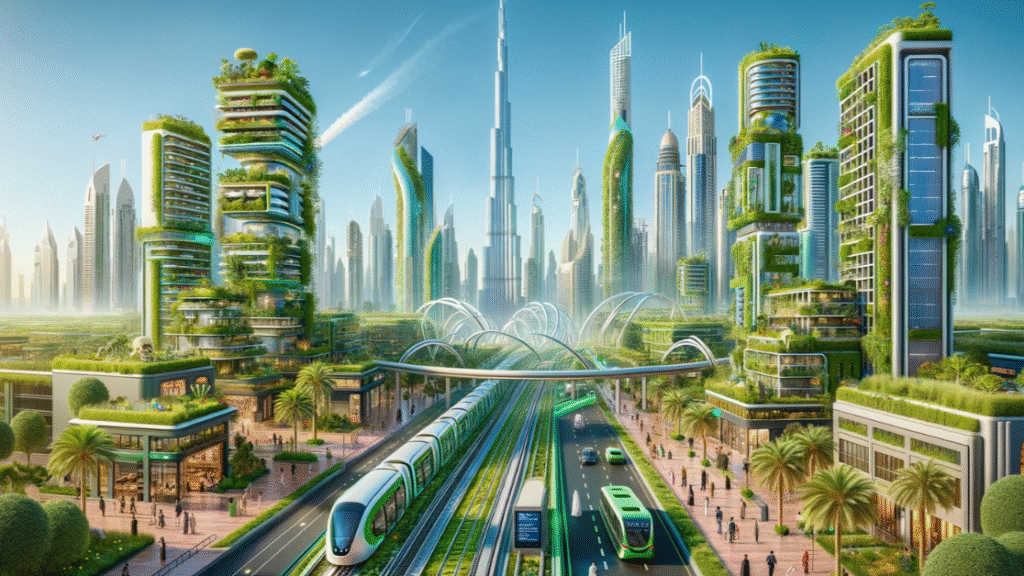
As the UAE pushes forward with its ambitious sustainability goals under initiatives like the UAE Net Zero by 2050 strategy and the Dubai Clean Energy Strategy 2050, the real estate market is evolving to meet the demands of a more environmentally conscious future. In this changing landscape, a crucial question emerges: Do green buildings and high energy efficiency ratings boost property values in the UAE?
UAE's Push Toward Sustainable Real Estate
Sustainability is no longer just an added feature in the UAE; it’s becoming a regulatory and market expectation. Dubai’s Green Building Regulations, Abu Dhabi’s Estidama Pearl RatingSystem, and alignment with global standards such as LEED and BREEAM are part of a nationwide effort to reduce environmental impact across the built environment.
These measures are being reinforced by real estate developers, particularly in free zones and master-planned communities such as Masdar City, Dubai Sustainable City, and Expo City Dubai, where sustainability is embedded into design and operation.
Are Sustainable Properties Worth More?
While sustainability features were once considered a "nice-to-have," they're increasingly associated with higher rental income, lower operating costs, and in some cases, premium resale values.
Key Insights from the UAE Market:
- Green developments like Dubai Sustainable City have seen strong demand, with many units selling at prices 10–20% above nearby conventional projects.
- Properties with solar installations and smart water/energy systems often see lower vacancy rates, especially with corporate tenants aiming for ESG compliance.
Residential vs. Commercial Impact
Commercial Real Estate
- Multinational firms leasing in the UAE often prioritise green-certified officespaces as part of their ESG strategies.
- Green buildings typically benefit from lower service charges due to reduced energy consumption, which directly enhances net operating income, a key driver of valuation.
Residential Real Estate
- Buyers of villas and apartments are increasingly prioritising energy-efficient homes as awareness of utility savings and environmental impact grows.
- With the DEWA ShamsDubai initiative encouraging rooftop solar, properties with renewable systems are gaining attention.
- Estidama ratings in Abu Dhabi are influencing buyer perceptions and even mortgage lender preferences.
Implications for Property Valuation in the UAE
Valuers in the UAE are increasingly required to factor in green credentials when appraising properties, particularly:
- Certification type (e.g., LEED, Estidama, BREEAM) - Energy efficiency levels (e.g., AC efficiency, insulation, solar capacity) - Building lifecycle costs - Regulatory risks for older buildings lacking sustainable upgrades
As the Dubai Land Department and other authorities push forward with mandatory green building codes, valuers expect a clearer price gap to emerge between compliant and non-compliant assets, creating a form of "green premium" or "brown discount".
What Happens to Non-Sustainable Buildings?
Older buildings that lack sustainable infrastructure, such as outdated HVAC systems, poor insulation, or inefficient lighting, may face:
- Higher service charges - Reduced tenant interest - Decreased valuation over time due to costly retrofits
This is especially relevant as UAE cities implement tougher building performance regulations and energy benchmarking.