Key Economic Factors Influencing Property Values in Dubai
January 22, 2026
The UAE property market continues to show promising growth, supported by strong economic fundamentals. Several nationwide trends are shaping demand, influencing investor confidence and guiding long-term property values across residential, commercial and hospitality sectors. The following insights outline the most recent developments influencing this landscape.
High Economic Growth and Diversification
Economic conditions in the UAE supported strong real estate activity in recent years. In 2024, real GDP growth was about 4% (Emirates NBD), and further growth was observed in 2025, driven by both oil and non-oil sectors. These conditions boosted employment, attracted investment and increased demand across residential and commercial property markets. This influences UAE real estate market trends as the year progresses.
Key Takeaways:
Non-oil sectors like banking, construction, tourism and real estate now account for the majority of GDP. (Reuters)
Strong Population Growth and Migration Trends
Population growth remains a key factor shaping real estate demand, particularly in Dubai and Abu Dhabi. Dubai’s population was projected to exceed 4 million by late 2025, supported by steady inflows of expatriate workers, professionals and long-term residents. (Meraas)
In 2025, a record 142,000 millionaires relocated across borders, marking the largest voluntary transfer of private capital in modern history. This shift reshaped global investment patterns as countries competed to attract wealthy individuals and the capital they bring.
For the UAE, this migration presented a clear opportunity. The country’s lifestyle appeal, tax advantages and long-term residency options continued to make it a preferred destination for affluent residents, supporting demand in the luxury residential market. (Henley & Partners)
Market Impact:
· Increased household formation and rental demand · Upside for premium housing and branded residences
Tourism and Service Sector Expansion
Tourism remains an important component of the UAE’s economic strategy and continues to influence real estate demand. In 2024, the country welcomed 18.7 million international visitors, supporting hotel occupancy levels and demand for serviced residences and short-stay accommodation." (Markaz)
This trend has also helped support demand for residential units suited to short-term stays, including holiday homes and Airbnb-style rentals. In 2025, licensed short-term rental properties in Dubai grew by more than 35 percent year-on-year, with over 22,000 apartments and villas available for tourists and business visitors. (UAE Business Daily)
Popular locations such as Downtown Dubai, JBR, Palm Jumeirah and Bluewaters Island reported strong occupancy and average nightly revenues, making holiday homes an attractive option for both residents and investors.
Foreign Direct Investment (FDI) and Global Capital Inflows
The UAE continues to attract international capital to its real estate markets. Transparent property regulations and flexible ownership policies help sustain investor confidence, particularly in Dubai and Abu Dhabi.(estatemagazine.ae)
Data from the Dubai Land Department highlights the importance of foreign investors in driving UAE property sales. Over a nine-month period, international buyers completed real estate transactions valued at approximately AED 46 billion, underlining steady global interest in the sector.(Dubai Land Department)
Indian nationals led foreign investment, with transactions of up to AED 13 billion across more than 4,600 investors. This is followed by British nationals, with investments of roughly AED 7 billion, while Pakistani investors accounted for close to AED 5 billion. Other active source markets included Saudi Arabia, Canada, Russia, China, the United States, France and Afghanistan.(Dubai Land Department)
This investment not only boosts transaction activity and market liquidity but also allows international investors to meet local demand while diversifying their portfolios.
At the same time, business activity is expanding, with nearly one million active business licences reported across the UAE by September 2025, and continued growth in free zone company registrations. This growth is helping drive demand for commercial and industrial space, alongside residential demand. (The Dubai Business Capital)
Infrastructure & Urban Development
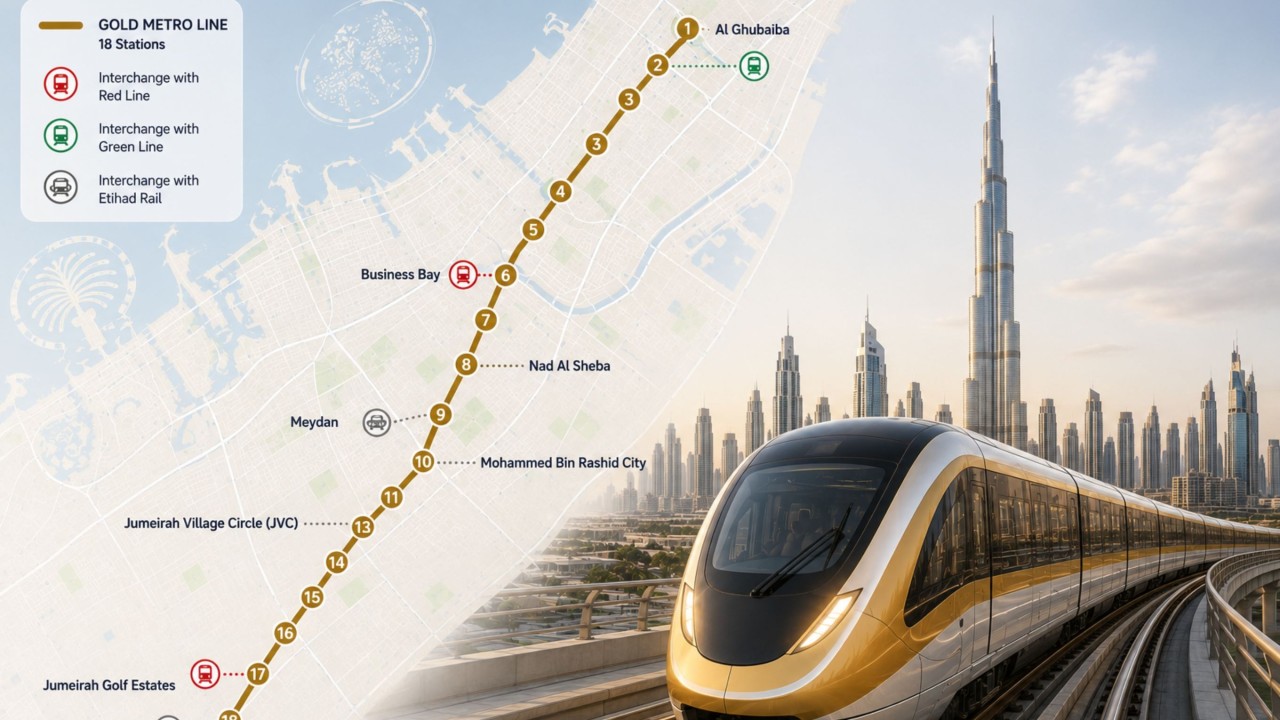
Ongoing large-scale infrastructure projects, from transportation network expansions to new urban communities, make strategic locations more accessible and desirable.
Infrastructure projects across the UAE are improving connectivity and shaping urban growth. In Dubai, the Al Qudra Street Development Project will extend the road by about 11.6 km, add new bridges and reduce travel times while linking key areas such as Arabian Ranches, Dubai Motor City and Akoya. The upgrade is expected to benefit around 400,000 residents and visitors by improving traffic flow and accessibility. (Gulf Today)
At the national level, the Etihad Rail network is moving toward full completion and will connect all seven emirates. Once passenger services begin in 2026, travel between major cities such as Abu Dhabi and Dubai will become faster and more convenient, supporting broader economic and property market growth. (Etihad Rail)
These efforts align with broader economic targets and help sustain demand across residential and commercial sectors.(estatemagazine.ae)
Market Performance Signals
The UAE property market showed strong growth from 2024 to 2025, with notable gains in both transaction volumes and values. In Dubai, residential transactions rose from around 168,968 deals worth approximately AED 426.7 billion in 2024 to about 200,779 sales valued at roughly AED 541.3 billion around late 2025, reflecting rising buyer activity and price resilience year-on-year. (Arabian Business)
At the same time, commercial and office spaces in major business districts stayed largely occupied, highlighting steady demand across asset classes and continued trust in Dubai property values as the market enters 2026.
The UAE’s real estate market continues to grow alongside broader economic activity. Population growth and a diversified economy have kept property demand steady. Meanwhile, favorable regulations, foreign investment, a thriving tourism sector and ongoing infrastructure projects have strengthened investor confidence.
Sources: Emirates NBD, Reuters, Meraas, Henley & Partners, Markaz, UAE Business Daily, Dubai Land Department, The Dubai Business Capital, Gulf Today, Etihad Rail, Arabian Business, estatemagazine.ae