ESG in Real Estate: Why it matters for Property Valuations
December 25, 2025
Artificial intelligence is transforming how valuers are collecting, processing, and evaluating data. Organizations are increasingly demanding faster and more transparent decision-making. And technology today enables the analysis of thousands of data points in seconds. As a result, the importance of artificial intelligence in valuation practice grows year after year.
AI’s Role in Property Valuation
AI can interpret both structured and unstructured data at a very large scale well beyond human competence. It can analyze market behavior, find comparable transactions, and reveal market trends with surprising speed and consistency. For valuers, this greatly improves the early stages of data collection and analysis, allowing for a more solid foundation for valuation.
Limits of AI
Despite its strengths, AI cannot fully grasp the nuances that influence market value. Though it can calculate prices, it would fail to explain why two similar properties have different degrees of demand or long-term value. Location, build quality, amenities, regulatory issues, and market sentiment all require a professional judgment, which only experienced valuers can provide.
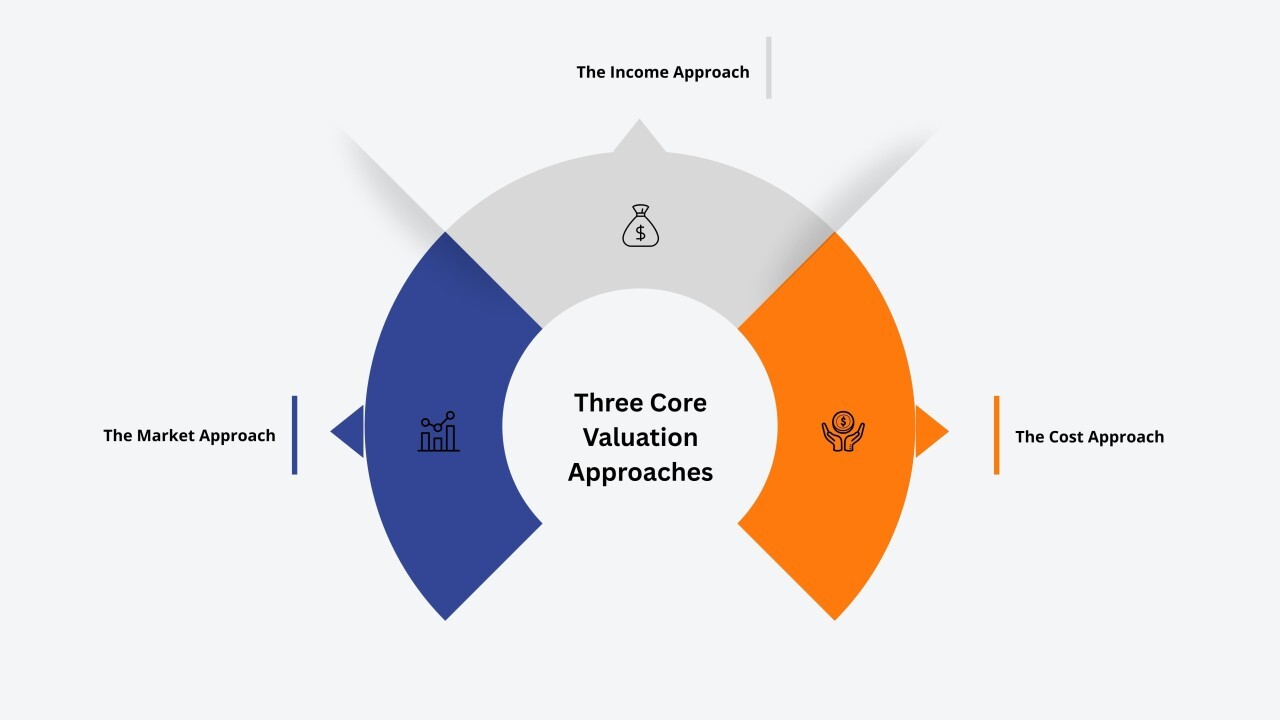
AI also has constraints on the data that was used to train it. When the data is obtained from only a few sources, then the AI has restricted views, which create bias and limited understanding of the market. A reliable real estate valuation requires looking at information from multiple perspectives. Valuers must review comparable properties, financial ratios, investors’ return expectations, and market trends in order to get a clear picture of a property’s value.
Data Governance and Ethical Use of AI
As AI becomes more integrated into valuation procedures, effective data governance becomes vital. Consistent results are only obtained when the data is high-quality, transparent, and ethically obtained. All valuers must keep confidentiality and privacy in mind, along with potential bias in the AI algorithm. This is particularly important in proper valuation practice and is expected by regulators, clients, and industry partners.
Real-World Applications in Valuation Practice
AI is already automating and streamlining various tasks that used to require extensive manual effort. When AI extracts information from title deeds and financial statements automatically, it reduces errors and speeds up the process of preparing reports. Machine learning models help in identifying emerging rental trends, spot issues in properties which are losing value, and predict how different real estate sectors may perform.
That does not mean these tools can or will replace valuers. They instead allow professionals to focus on analysis and important areas.
Benefits for Clients and Organisations
Clients increasingly expect timely and accurate property valuation reports. This can be achieved through a hybrid human and AI model by improving consistency, enhancing transparency and providing strong support for decision-making. Organizations get improved workflows, shorter turnaround times and a better awareness of any concerns in valuation. This only happens when technology and human expertise work together.
Future Outlook
The valuation landscape is fast-evolving. Even regulatory authorities are exploring how to integrate AI into reporting frameworks while maintaining professional accountability at the same time.
AI will have access to government and market datasets and this will expand further. Valuations models will also be influenced by ESG considerations as sustainability becomes standardized. But through these developments, human expertise will still remain vital, ensuring that AI complements professional judgment rather than overtake it.
Hybrid Models
A hybrid approach is the most reliable way ahead. Professional human judgment ensures that AI-generated insights are accurately evaluated, any errors or inconsistencies are spotted and the data is given a proper context. AI may speed up the process of identifying any faults, but only human oversight can turn those observations into useful conclusions.
The future of property valuations is not human vs. AI. It is a combination of both. AI gives speed, convenience, and cost-effectiveness, but human intelligence contributes judgement, insight, and ethical reasoning. The most legitimate real estate valuations will continue to come from professionals who use technology responsibly and apply their skills to provide meaningful meaning to data.